
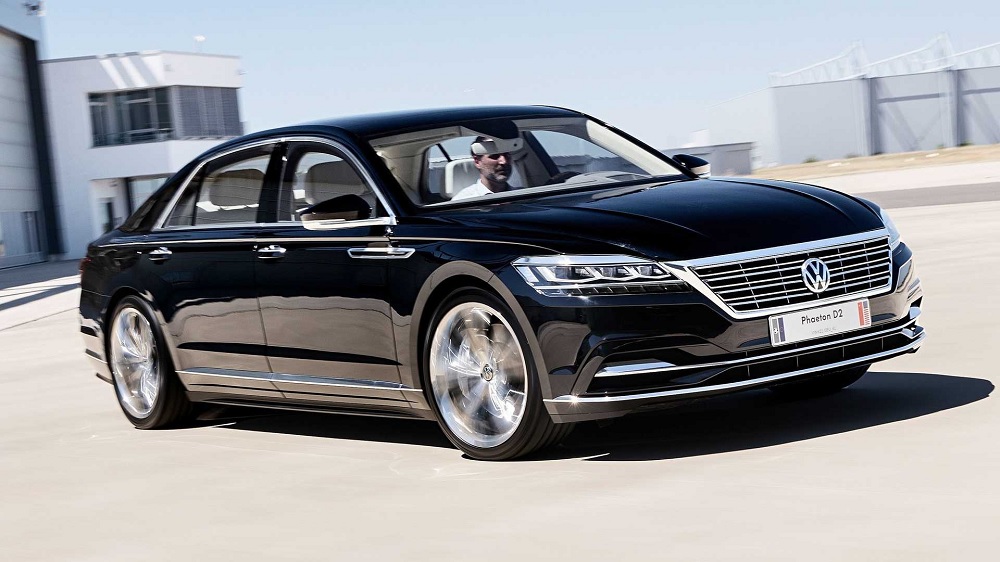
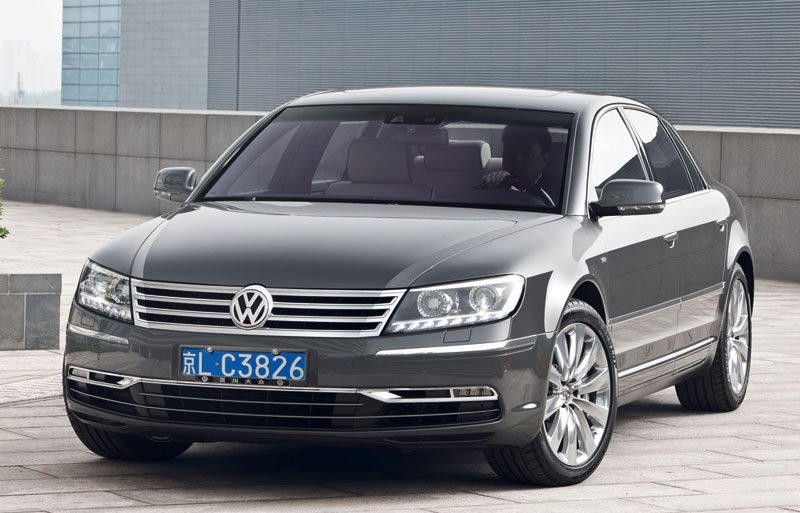
When Volkswagen introduced the Phaeton in 2002, the automotive world raised its eyebrows. Here was a German brand, historically associated with the “people’s car,” attempting to challenge the entrenched hierarchy of luxury vehicles. Mercedes-Benz, BMW, and Audi had dominated the executive and ultra-luxury segment for decades, and here came Volkswagen, with a sedan so meticulously engineered it seemed almost absurd in its ambition. The Phaeton was more than a car; it was a statement—a bold declaration that Volkswagen could play in the same league as the finest luxury automakers. But despite its brilliance, the world wasn’t ready for it.
A Vision Fueled by Ambition
The story of the Phaeton begins with Ferdinand Piëch, the legendary engineer and then-chairman of Volkswagen Group. Piëch was never satisfied with mediocrity, and his vision for the Phaeton was audacious. He wanted a vehicle that could endure extreme climates, high-speed autobahn runs, and demanding conditions in some of the world’s harshest environments—all while delivering unparalleled comfort and quiet refinement. The Phaeton was designed to reach 300 km/h in temperatures exceeding 50°C, operate reliably in sub-zero conditions, and deliver a cabin so insulated that the driver could enjoy near-complete silence.
Every aspect of the car reflected this ambition. Volkswagen built a special factory in Dresden, dedicated solely to the hand-assembly of the Phaeton. Workers were trained in precision craftsmanship, polishing and inspecting every panel and surface with meticulous care. The car was not just built; it was orchestrated, as though each component were part of a symphony of engineering. The wood trim was hand-selected, leather carefully stretched and stitched, and every piece of glass engineered for optical perfection. It was luxury, but in a way that emphasized engineering excellence over ostentation.
Engineering Without Compromise
The Phaeton’s technical specifications read like a wish list of automotive engineering triumphs. Its W12 engine, first introduced in 2002, was a marvel of precision engineering, delivering smooth power in a way that few competitors could match. For those who preferred a more traditional configuration, V6 and V8 options were also available, all paired with Volkswagen’s 4MOTION all-wheel-drive system, ensuring the car remained composed in any driving condition. The suspension system was arguably the most impressive feature, featuring adaptive air suspension that could adjust each wheel independently, smoothing out the bumps of the road while maintaining impeccable handling.
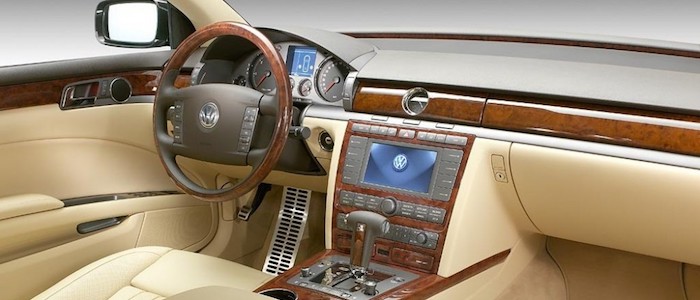
The interior of the Phaeton was equally remarkable. Unlike many luxury cars that focused primarily on style, the Phaeton emphasized ergonomics and refinement. Climate control featured four distinct zones, allowing driver, passenger, and rear occupants to customize their environment to an unprecedented degree. Ambient lighting, premium audio systems, and vibration-free seats created a serene atmosphere that made even long journeys feel effortless. In every detail, Volkswagen’s engineers aimed to demonstrate that luxury was not about logos or badges—it was about experience.
The Marketing Challenge
Where Volkswagen succeeded in engineering, it struggled in marketing. The Phaeton was positioned as a luxury vehicle without the luxury badge recognition. In a world where car buyers equate status with logos, a Volkswagen in the same price bracket as a Mercedes-Benz S-Class or a BMW 7 Series simply felt incongruous. The car could outperform, out-engineer, and out-luxury its rivals in many respects, but it lacked the social signaling that defines high-end automotive desirability.
Volkswagen tried to address this with advertising campaigns emphasizing the Phaeton’s hand-built quality and technological prowess. Yet the messaging often failed to resonate emotionally. Consumers who wanted a car that projected success, power, and prestige were hesitant to embrace a Volkswagen as their statement of achievement. The Phaeton became a victim of its own virtue, admired by enthusiasts and engineers but misunderstood by the broader luxury market.
A Car Ahead of Its Time
In retrospect, the Phaeton was arguably too advanced for its era. Many of the features that are now considered standard in luxury vehicles were pioneering at the time. Adaptive air suspension, active cruise control, multi-zone climate control, and high-fidelity audio were not just optional extras—they were core components of the Phaeton’s identity. Owners often remarked that driving the car was like experiencing the future of automotive design.
Yet these innovations came with complexity. The sophisticated electronics and mechanical systems were expensive to maintain, and potential buyers worried about long-term reliability. Unlike traditional luxury brands, which had established dealer networks and reputations for handling high-maintenance vehicles, Volkswagen did not have the same credibility in the ultra-luxury space. This made the Phaeton an engineering marvel but a commercial gamble.
Global Reception and Sales
The Phaeton’s reception varied across the globe. In Europe, where Volkswagen had brand recognition and a reputation for engineering, the car drew curious enthusiasts but still faced skepticism. In the United States, where luxury was synonymous with Mercedes, BMW, and Lexus, the Phaeton struggled to gain traction. Buyers questioned why they should pay top-dollar for a car without the badge recognition of its competitors.
Sales figures reflected these challenges. Volkswagen had hoped to sell tens of thousands of units annually, but global sales remained modest throughout its production run. Despite this, the car developed a cult following among connoisseurs who appreciated its subtlety, engineering excellence, and understated elegance. Owners often cited the Phaeton’s silent cabin, exceptional ride quality, and superior craftsmanship as reasons to remain loyal to the model, even years after production ended.
Cultural and Branding Lessons
The Phaeton provides a fascinating case study in branding and consumer psychology. Luxury is as much about perception as it is about quality, and the car demonstrated that even the most remarkable engineering cannot replace brand equity in the eyes of consumers. Volkswagen tried to redefine luxury as a combination of refinement, technology, and comfort, rather than status signaling. The world, however, was not ready to accept this vision. People wanted their luxury to be visible, to be recognized at a glance, and to confer prestige upon the owner.
At the same time, the Phaeton’s failure did not go unnoticed within the Volkswagen Group. The lessons learned from its engineering—platform sharing, adaptive suspension, climate control innovations—would later influence Audi, Bentley, and even Volkswagen’s own higher-end models, creating a legacy that persists to this day. In many ways, the Phaeton was a silent trailblazer, proving that technological excellence could exist within a mass-market brand, even if the market itself was not yet ready to accept it.
A Collector’s Dream
Today, the Phaeton occupies an unusual space in automotive culture. It is neither a mainstream classic nor a widely recognized icon, but it is highly sought after by enthusiasts who value its rarity and engineering pedigree. Used examples can now be found at relatively accessible prices, offering a luxury experience at a fraction of the original cost. For those willing to embrace its quirks and maintenance needs, the Phaeton represents a unique combination of German precision, understated elegance, and technological ambition.
Owning a Phaeton today is a statement of appreciation for craft and vision rather than status. It is a car for those who understand the subtlety of engineering excellence and who can enjoy luxury that whispers rather than shouts. The Phaeton’s silence, both literal and metaphorical, is part of its enduring charm.
Conclusion
The Volkswagen Phaeton was a car that dared to challenge conventions and redefine what luxury could mean. It succeeded brilliantly in engineering, craftsmanship, and technological innovation, yet it failed commercially because the market was not prepared for a luxury Volkswagen. In a world dominated by badge recognition and status signaling, the Phaeton’s quiet sophistication and uncompromising engineering proved to be both its greatest strength and its Achilles’ heel.
Despite its commercial struggles, the Phaeton’s influence is undeniable. It pushed the boundaries of automotive technology, inspired subsequent models across the Volkswagen Group, and remains a testament to what can be achieved when ambition is allowed to transcend conventional thinking. It is a reminder that sometimes, the world simply needs time to catch up with visionaries, and in the case of the Phaeton, its brilliance continues to resonate quietly among those who appreciate its audacity, its craft, and its subtle but profound statement about the nature of luxury.