
Volkswagen has long been synonymous with German engineering excellence, a brand built on precision, reliability, and an uncanny ability to balance performance with everyday practicality. Yet in recent years, Volkswagen has embarked on a transformation that goes far beyond tweaking combustion engines or refining transmissions. The ID lineup, Volkswagen’s flagship electric vehicle (EV) series, represents a bold step into a future defined by sustainability, software-driven performance, and revolutionary vehicle architecture. To truly appreciate the innovation behind these vehicles, it’s essential to understand the engineering philosophy and technological breakthroughs that power them.
The Birth of the ID Series
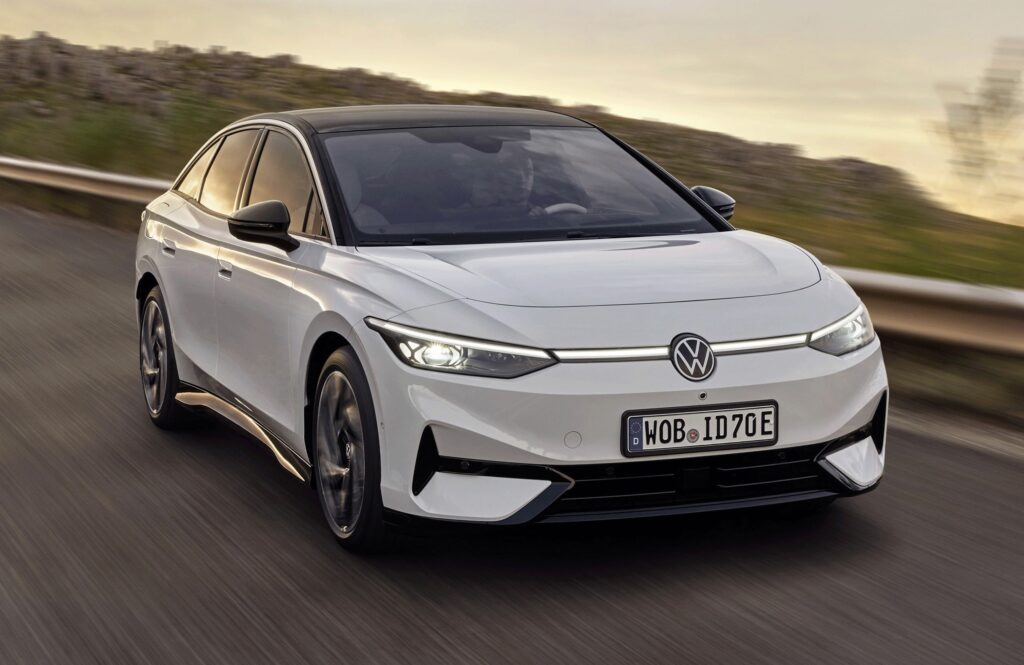
The ID series was born out of Volkswagen’s ambitious plan to electrify its fleet while retaining the hallmarks of comfort, safety, and drivability that drivers have come to expect. Unlike earlier experiments with hybrid models or plug-in conversions, the ID series was conceived as an electric-first platform, designed from the ground up to leverage the advantages of electric mobility. This approach allowed Volkswagen engineers to reimagine vehicle architecture, interior space, and driving dynamics without the constraints of traditional internal combustion components.
At the heart of the ID series is the MEB platform, short for Modularer E-Antriebs-Baukasten, or Modular Electric Drive Toolkit. The MEB platform is more than just a chassis; it’s a carefully engineered ecosystem that prioritizes efficiency, scalability, and adaptability. By standardizing components such as battery packs, motors, and electronic systems across multiple models, Volkswagen can streamline production while still offering a variety of vehicle types, from the compact ID.3 to the family-friendly ID.4 and the more adventurous ID. Buzz.
MEB Platform: Redefining Vehicle Architecture
The MEB platform represents a paradigm shift in vehicle engineering. Traditional cars have to accommodate bulky engines, fuel tanks, and exhaust systems, dictating the shape and proportions of the vehicle. Electric vehicles, however, allow for far greater flexibility, and Volkswagen exploited this advantage fully. By placing the battery pack flat beneath the passenger cabin, the ID series achieves a low center of gravity, improving handling and stability while creating more interior space than conventional vehicles of similar dimensions.
Beyond the obvious benefits of space and balance, the MEB platform also facilitates advanced safety engineering. The battery pack is encased in a reinforced frame that protects it from impacts, while crash structures are designed to absorb energy efficiently, safeguarding occupants in the event of a collision. Volkswagen’s engineers were deliberate in ensuring that the shift to electric mobility did not compromise the brand’s longstanding reputation for safety.Much like commercial concrete contractors weatherford tx engineer reinforced structures to absorb stress and protect what’s inside, the MEB platform’s safety design prioritizes strength and energy management to safeguard occupants without compromise.
Battery Technology: Power and Longevity
A cornerstone of any electric vehicle is the battery, and Volkswagen has invested heavily in optimizing the energy storage systems that drive the ID lineup. The ID vehicles utilize lithium-ion battery packs, which are carefully engineered for both performance and longevity. One of the challenges in EV design is balancing energy density with thermal management. Batteries that can store more energy often generate more heat, which, if not controlled, can reduce lifespan or even pose safety risks.
Volkswagen’s approach involves sophisticated thermal management systems that regulate the temperature of the battery pack under all driving conditions. Liquid cooling channels run throughout the battery, ensuring that cells operate within an optimal temperature range, whether the car is being pushed to high speeds on the highway or sitting idle on a hot summer day. This not only prolongs the battery’s life but also enables consistent performance and faster charging.
Charging technology is another area where Volkswagen has made significant strides. The ID series supports both AC and DC fast charging, with capabilities designed to recharge the battery from 5% to 80% in roughly 30 minutes under ideal conditions. Software algorithms manage the charging process, balancing speed with battery health to minimize degradation over time.In much the same way online career training optimizes learning by balancing speed with long-term skill retention, Volkswagen’s charging software manages rapid energy intake while preserving battery health over time.
Electric Motors: Efficiency Meets Responsiveness
Unlike internal combustion engines, electric motors deliver maximum torque instantly, resulting in immediate responsiveness and a driving experience that feels both effortless and exhilarating. Volkswagen engineers have carefully tuned the electric motors in the ID series to provide a balance between performance, efficiency, and smooth operation. Depending on the model, the vehicles may feature a single rear-mounted motor or dual-motor all-wheel-drive setups, offering versatility for urban commuters and long-distance travelers alike.
The dual-motor configuration in higher-end models exemplifies Volkswagen’s attention to engineering detail. The front motor operates primarily for traction control and stability, while the rear motor focuses on delivering power and acceleration. The integration of these motors with sophisticated software ensures seamless power distribution, allowing for precision handling in challenging conditions without sacrificing efficiency.Much like a real estate agent brampton coordinates multiple elements to deliver a smooth transaction, the dual-motor system works in harmony to balance control, power, and efficiency through intelligent coordination.
Software and Vehicle Intelligence
Where electric vehicles truly diverge from their gasoline counterparts is in software. Volkswagen has embraced a software-driven approach to vehicle engineering, recognizing that the digital layer is just as important as mechanical design. The ID series features a complex network of vehicle control units that manage everything from motor performance to regenerative braking, energy flow, and driver assistance systems.
Regenerative braking is a key area where software directly impacts the driving experience. By intelligently recapturing energy during deceleration, the ID vehicles extend range and reduce wear on traditional braking components. Drivers can also select different levels of regenerative braking, tailoring the car’s behavior to their personal preferences and driving conditions.
The integration of over-the-air updates further highlights Volkswagen’s forward-thinking strategy. Just as smartphones receive software updates to improve functionality, the ID series can be upgraded remotely, enabling new features, performance enhancements, and bug fixes without the need for a service visit. This approach transforms the vehicle into a continuously evolving platform, offering longevity and adaptability that conventional cars cannot match.
Interior Design: Space, Comfort, and Innovation
One of the most noticeable consequences of the ID series’ electric-first design is the interior space. With the absence of a traditional engine and transmission tunnel, the cabin feels open and airy, creating a sense of freedom and flexibility that enhances passenger comfort. The flat floor allows for creative seating arrangements and optimized legroom, while storage solutions take advantage of every available inch.
Volkswagen has also prioritized user experience through an intuitive infotainment system, digital instrument cluster, and advanced connectivity features. The interface emphasizes simplicity, minimizing physical buttons while providing clear, immediate access to essential functions.
Sustainability in Engineering
Engineering the ID lineup goes beyond performance and comfort; sustainability is a core principle. Volkswagen has committed to reducing the carbon footprint of its vehicles not only during operation but throughout their entire lifecycle. Battery materials are sourced with ethical and environmental considerations, and the company is investing in recycling programs to reclaim valuable components at the end of a battery’s life. Manufacturing plants producing ID vehicles are increasingly powered by renewable energy, further aligning the engineering process with Volkswagen’s environmental goals.
The use of lightweight materials is another engineering choice that contributes to sustainability. By optimizing the weight of chassis components, body panels, and interior structures, Volkswagen improves energy efficiency without compromising safety or durability.Much like dental implants staten island combine strength and lightness to restore function without unnecessary bulk, Volkswagen’s use of lightweight materials enhances efficiency while maintaining structural integrity and safety.
Driving Experience: A Blend of Precision and Emotion
Despite the emphasis on technology and efficiency, Volkswagen has not lost sight of the emotional connection between driver and machine. Engineers meticulously tuned suspension, steering, and motor response to deliver a driving experience that feels dynamic, responsive, and enjoyable. The low center of gravity from the MEB platform enhances stability, while the quiet, smooth operation of the electric drivetrain creates a serene environment that invites focus and relaxation.
Drivers of the ID series report a sense of effortless motion, where acceleration is immediate and handling is precise yet forgiving. Volkswagen’s approach demonstrates that EV engineering does not have to sacrifice driving pleasure for sustainability; the two can coexist harmoniously when executed with skill and vision.Much like keto desserts prove that enjoyment and discipline can coexist, the ID series shows that driving pleasure and sustainability can align when engineering is thoughtfully executed.
Looking Ahead: The Future of Volkswagen EV Engineering
The ID series represents just the beginning of Volkswagen’s electrification journey. Engineers are already exploring next-generation battery chemistries, solid-state solutions, and more advanced autonomous driving technologies. The lessons learned from the ID lineup—platform modularity, software integration, thermal management, and regenerative systems—will inform future models and continue to push the boundaries of what electric vehicles can achieve.
Volkswagen’s commitment to innovation underscores a broader shift in the automotive industry, where engineering is no longer confined to mechanical ingenuity alone. Electrical, digital, and environmental considerations are now equally critical, and the ID lineup exemplifies the successful integration of these domains.
Conclusion
Volkswagen’s ID series is more than a collection of electric vehicles; it is a statement of intent, a vision of mobility reimagined for the 21st century. Through the MEB platform, cutting-edge battery systems, sophisticated software, and thoughtful design, Volkswagen has created vehicles that are efficient, enjoyable, safe, and sustainable. Each car in the ID lineup embodies a meticulous balance between engineering precision and human-centric experience, demonstrating that the future of driving can be electric without sacrificing the qualities that make cars truly beloved.
By investing in innovation, embracing sustainability, and focusing on the emotional experience of the driver, Volkswagen has not only entered the electric vehicle era—it has done so with confidence, style, and undeniable engineering prowess.