
In the industrial age, the term “car manufacturing” has often been synonymous with progress, innovation, and economic power. Companies that produce vehicles are seen as drivers of employment, technology, and social transformation. However, as society evolves, the conversation is shifting from simply making cars to enabling mobility. Manufacturing cars focuses on producing physical objects, while manufacturing mobility focuses on delivering solutions for movement, accessibility, and connectivity. This distinction is subtle but fundamental, shaping everything from urban planning to corporate strategy. Understanding it requires examining technology, infrastructure, consumer expectations, and societal priorities.
The Industrial Focus: Manufacturing Cars
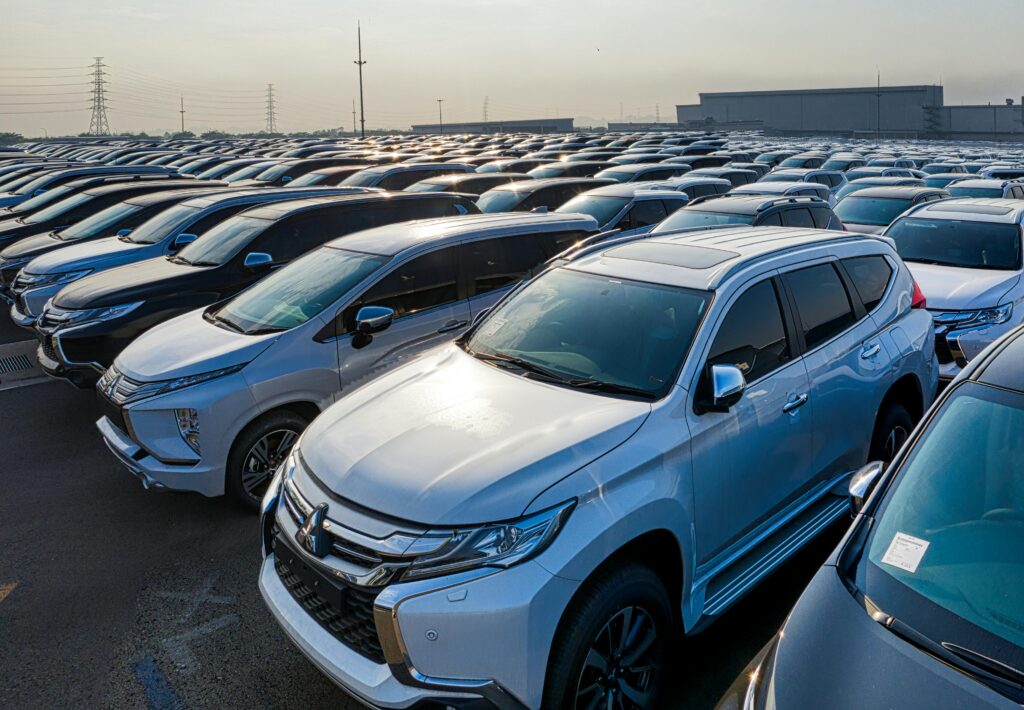
Traditional car manufacturing is an industrial endeavor rooted in engineering precision, assembly-line efficiency, and supply chain mastery. The goal has historically been straightforward: build vehicles that are durable, safe, and desirable. This process involves complex coordination of components such as engines, chassis, transmissions, electronics, and bodywork. Each vehicle represents a synthesis of mechanical design, aesthetic appeal, and compliance with safety and regulatory standards. The car itself is the product, and success is measured in units produced, quality metrics, and profitability per vehicle.
Manufacturing cars has long been tied to national identity and industrial power. The American auto industry of the early 20th century, exemplified by Henry Ford’s Model T, did not just sell vehicles—it reshaped society. Mass production techniques enabled affordability and accessibility, turning cars into symbols of freedom and personal agency. European manufacturers similarly emphasized craftsmanship and engineering prowess, focusing on performance, style, and innovation. In each case, the car was a tangible product, the embodiment of technological mastery and economic achievement.
The supply chain for car manufacturing is a testament to industrial coordination. Steel mills, semiconductor factories, paint manufacturers, and logistics firms all converge in precise timing to assemble a single vehicle. Innovations such as just-in-time manufacturing, robotic automation, and quality assurance systems have optimized output and minimized defects. The central question for car manufacturers has historically been, “How can we make the best possible vehicle as efficiently as possible?” Profitability, brand loyalty, and market share were the main metrics of success.
However, the industrial focus on vehicles alone imposes constraints. Cars are expensive, consume resources, and are tied to patterns of ownership that limit flexibility. Environmental concerns, urban congestion, and changing consumer habits increasingly challenge the notion that manufacturing cars is sufficient to meet society’s mobility needs. The industrial mindset excels at making physical products but is less adept at addressing the broader societal and systemic dimensions of movement.
Mobility as a Service: Rethinking the Goal
In contrast to manufacturing cars, manufacturing mobility is a paradigm shift. Mobility is not about producing a product—it is about delivering solutions that allow people and goods to move efficiently, safely, and sustainably. When companies focus on mobility, the car becomes just one tool among many in a larger ecosystem that includes public transit, ride-sharing, micro-mobility, and integrated transportation networks. The emphasis moves from the object to the experience, from ownership to access, from physical engineering to system design.
Manufacturing mobility requires a different mindset, one that prioritizes problem-solving over product creation. For example, urban commuters might need reliable, affordable, and environmentally friendly options to traverse city centers. Designing a new car alone does not address traffic congestion, limited parking, or emissions. Companies that focus on mobility think in terms of solutions: fleets of shared electric vehicles, integrated route planning apps, smart charging infrastructure, or multimodal transport subscriptions. The measure of success is not the number of cars sold, but the degree to which people can move efficiently and conveniently.

This shift is driven by both technological and cultural factors. Advances in connectivity, sensors, and artificial intelligence allow transportation networks to be coordinated in real time. Consumers increasingly value flexibility over ownership, prioritizing convenience and sustainability over prestige or brand loyalty. In a mobility-focused model, the value lies in enabling movement rather than producing a vehicle for its own sake. Cars are still relevant, but they are part of a larger system rather than the endpoint of design.
Mobility as a service also integrates social, economic, and environmental considerations. Accessibility for underserved populations, reduction of carbon emissions, and optimization of urban infrastructure are all central goals. This approach requires collaboration across industries: technology firms, urban planners, governments, and automotive companies must work together to create solutions that meet societal needs. By redefining the goal, manufacturing mobility transforms the question from “What car can we make?” to “How can we help people move?” This shift fundamentally alters the role of companies, policymakers, and engineers in shaping transportation systems.
The Technological Implications of the Shift
The transition from manufacturing cars to manufacturing mobility carries profound technological implications. Traditional car production emphasizes mechanical reliability, fuel efficiency, and design appeal. Mobility solutions, by contrast, prioritize connectivity, adaptability, and system integration. Vehicles are no longer standalone products; they are nodes in a larger network that relies on software, data analytics, and real-time responsiveness.
Autonomous vehicles illustrate this technological pivot. While traditional car manufacturing focuses on engine performance, safety hardware, and interior comfort, mobility-centric approaches integrate advanced sensors, artificial intelligence, and communication networks. The objective is not simply to produce a car, but to ensure that the vehicle can operate seamlessly within a city’s transportation ecosystem. Data streams from these vehicles feed traffic management systems, optimize routing, and coordinate with other forms of transportation. The “product” becomes the service of moving people efficiently rather than the machine itself.
Electric vehicle (EV) adoption also reflects this shift. While car manufacturers initially emphasized battery performance, range, and styling, mobility-focused companies concentrate on charging infrastructure, vehicle-to-grid integration, and fleet management. Electric cars in a shared mobility system can function more efficiently than individually owned vehicles, reducing the environmental footprint and improving accessibility. Technological development is therefore guided by systemic outcomes rather than individual product specifications.
Economic and Business Model Transformations
The difference between manufacturing cars and manufacturing mobility is not just technological—it also reshapes economic and business models. Traditional automotive companies earn revenue primarily from unit sales and aftermarket services. Success is measured in production efficiency, profit margins per vehicle, and brand reputation. In a mobility-oriented model, revenue comes from service subscriptions, shared-use fees, data-driven insights, and partnerships with cities or tech companies. The business shifts from selling products to delivering experiences, creating recurring value streams rather than one-time transactions.
This shift affects capital allocation and investment strategies. Traditional car manufacturing prioritizes assembly lines, supplier contracts, and production scalability. Mobility-focused firms invest in software platforms, fleet management systems, user acquisition, and infrastructure partnerships. Research and development priorities also change: the goal is less about incremental improvements to vehicle performance and more about optimizing entire transportation ecosystems. For example, a company may invest in predictive analytics to reduce wait times for shared vehicles rather than improving engine efficiency for a single car model.
Market positioning is similarly affected. Car manufacturers compete in a relatively mature product market with well-defined competitors. Mobility providers compete on convenience, flexibility, and network effects. The competitive advantage lies in customer experience, ecosystem integration, and operational efficiency, rather than solely on vehicle quality. This reconceptualization challenges traditional hierarchies within the automotive industry, forcing legacy companies to rethink their identities and core competencies.
Regulatory frameworks must also evolve. Manufacturing cars is largely governed by safety, emissions, and quality standards. Manufacturing mobility intersects with urban planning, data privacy, labor regulations, and environmental policy. Companies must engage with governments, public transit agencies, and city planners to ensure that mobility solutions are viable, legal, and socially beneficial. The broader scope of accountability transforms how businesses define success and measure impact.
Conclusion: Reimagining Transportation for the 21st Century
The contrast between manufacturing cars and manufacturing mobility illuminates a broader transformation in how society thinks about transportation. Cars are products; mobility is a service. Vehicles are tools; networks are solutions. Ownership is replaced by access, and industrial output is complemented by systemic outcomes. This shift affects technology, business strategy, urban design, environmental policy, and cultural identity. Companies that cling exclusively to car manufacturing risk obsolescence, while those embracing mobility-centric thinking are redefining the future of transportation.
Ultimately, manufacturing mobility is not about abandoning cars—it is about contextualizing them within a broader ecosystem. Autonomous fleets, shared electric vehicles, multimodal transport hubs, and integrated digital platforms all illustrate how the future of movement is dynamic, adaptive, and networked. The goal is not merely to produce machines, but to engineer experiences, reduce barriers, and enhance quality of life.
The lesson is profound: the United States, and the world at large, are moving beyond a mindset of industrial production toward one of service innovation and systemic thinking. In the 21st century, transportation is no longer defined by the vehicles themselves, but by the opportunities they enable, the systems they connect, and the lives they improve. Manufacturing mobility represents the evolution of transportation from commodity to capability, from object to opportunity, and from car to culture.
This transformation challenges engineers, planners, policymakers, and entrepreneurs to think bigger, prioritize outcomes over outputs, and redefine success in terms of movement, freedom, and sustainability. The difference between manufacturing cars and manufacturing mobility is not a matter of technique—it is a matter of vision, philosophy, and purpose.