
A Closer Look Under the Hood of the Volkswagen Jetta GLI
The Volkswagen Jetta GLI has always occupied a unique space in the sport sedan world. It doesn’t shout for attention the way some rivals do, yet enthusiasts know that its real personality lives beneath the hood. At the heart of the GLI is a powertrain philosophy that blends German engineering discipline with genuine driving excitement. Understanding its engine technology, tuning potential, and long-term reliability reveals why this car continues to earn loyalty from drivers who want performance without sacrificing daily comfort.
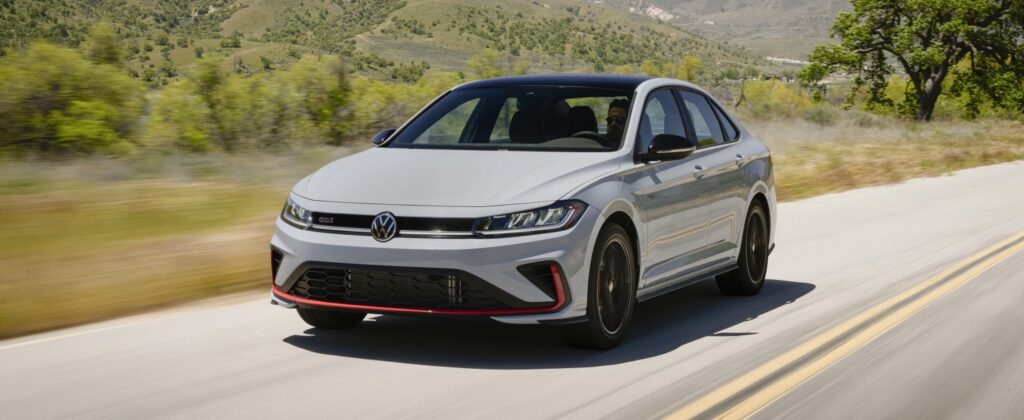
The EA888 Engine and Volkswagen’s Performance DNA
Powering the modern Jetta GLI is Volkswagen’s EA888 turbocharged 2.0-liter four-cylinder engine, a name that carries serious weight in the automotive world. This engine family has been refined over multiple generations and is shared across several performance-oriented VW and Audi models. In the GLI, it produces 228 horsepower and 258 lb-ft of torque, figures that may not dominate spec sheets but translate into smooth, confident acceleration in real-world driving.
What makes the EA888 special isn’t just output, but how that power is delivered. Peak torque arrives early in the rev range, giving the GLI strong pull from low speeds and effortless passing power on highways. This character suits the car’s dual nature perfectly, allowing it to feel relaxed in traffic yet responsive when pushed harder. The engine’s aluminum construction helps reduce weight over the front axle, contributing to balanced handling and improved efficiency.Much like veteran apparel is designed for reliability and performance under pressure, the EA888 delivers its power with confidence and consistency, providing strength exactly when it’s needed without unnecessary strain.
Turbocharging Technology and Thermal Efficiency
Volkswagen’s turbocharging approach in the Jetta GLI emphasizes consistency and durability rather than peak boost pressure. The single-scroll turbocharger is engineered to spool quickly, minimizing lag and ensuring predictable throttle response. This design choice supports smooth drivability, which is especially noticeable during daily commuting or spirited backroad driving.
Advanced thermal management plays a major role in the EA888’s efficiency. An integrated exhaust manifold helps the engine warm up faster, reducing emissions while improving fuel economy during cold starts. This system also stabilizes engine temperatures under load, which is critical for both performance driving and long-term reliability. The result is an engine that feels eager without being stressed, a hallmark of Volkswagen’s modern engineering philosophy.
Direct Injection and Combustion Precision
Fuel delivery in the Jetta GLI relies on direct fuel injection, allowing precise control over combustion. By injecting fuel directly into the combustion chamber at high pressure, Volkswagen achieves better fuel atomization and more efficient burning. This contributes to stronger power output, improved fuel economy, and lower emissions.
However, direct injection also brings challenges. Over time, carbon buildup on intake valves can occur since fuel no longer washes over them. Volkswagen has addressed this with improved crankcase ventilation systems and revised engine management strategies, but regular maintenance remains essential. Owners who follow recommended service intervals and use high-quality fuel often experience minimal issues, reinforcing the importance of proper care.
Transmission Pairings and Power Delivery
The Jetta GLI offers two transmission options that shape the driving experience in different ways. The six-speed manual remains a favorite among purists, delivering a tactile connection between driver and machine. Its clutch engagement is forgiving, making it approachable even for those new to manual driving.
For those who prefer automation, the seven-speed DSG dual-clutch transmission is a technological highlight. It shifts quickly and decisively, keeping the engine in its optimal power band. The DSG’s ability to deliver rapid gear changes without sacrificing comfort makes it well-suited to both aggressive driving and daily use. Paired with the EA888, it enhances the car’s refined yet sporty character.
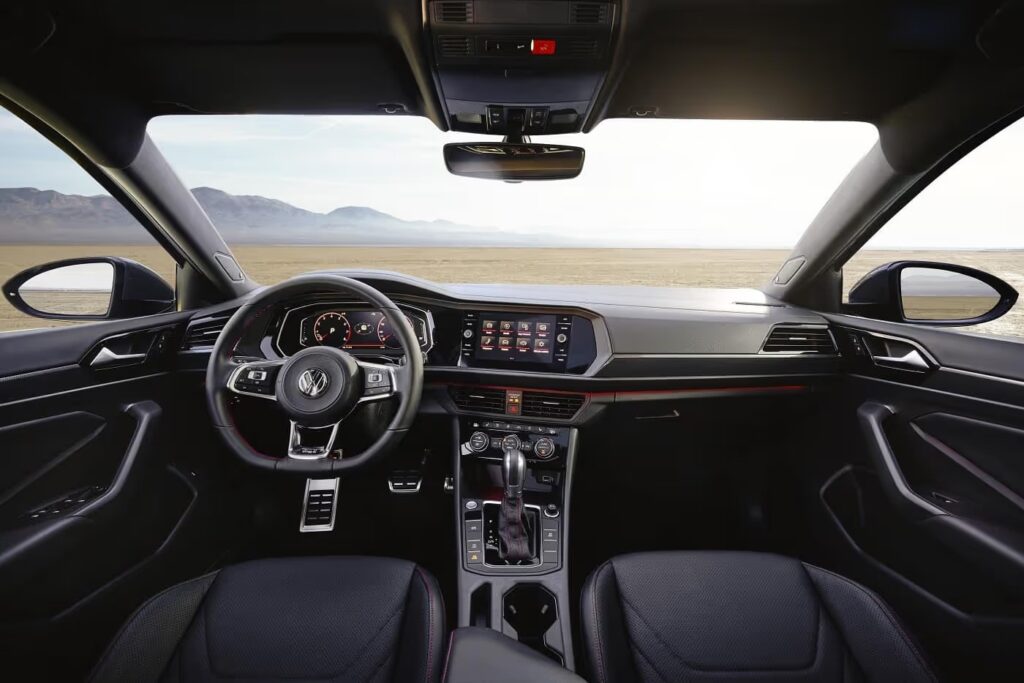
Factory Tuning and Balanced Performance
Volkswagen’s factory tuning of the Jetta GLI reflects a deliberate balance between performance and longevity. The engine is not pushed to its absolute limits, leaving room for reliability and consistent performance across varying conditions. Throttle mapping is smooth rather than aggressive, while boost pressure is carefully managed to avoid unnecessary strain on internal components.
This conservative approach doesn’t diminish enjoyment. Instead, it ensures that the GLI feels cohesive, with power delivery that matches its chassis and braking systems. The engine works in harmony with the electronically controlled limited-slip differential, maximizing traction and reducing wheel spin during hard acceleration.
Tuning Potential and Aftermarket Appeal
One of the EA888 engine’s biggest strengths is its exceptional tuning potential. Because the factory setup leaves headroom, aftermarket ECU tuning can unlock significant gains with minimal hardware changes. Stage 1 tunes often raise output well beyond 280 horsepower, transforming the GLI into a genuinely quick sport sedan.
What’s remarkable is how well the engine handles these increases when tuned responsibly. The bottom end of the EA888 is robust, featuring forged internals designed to withstand higher pressures. That said, tuning always introduces trade-offs. Increased boost and heat place additional demands on cooling systems and maintenance schedules, making careful tuning choices essential for preserving reliability.
Cooling Systems and Supporting Hardware
Effective cooling is critical for any turbocharged engine, and the Jetta GLI benefits from a thoughtfully designed system. An efficient intercooler helps lower intake air temperatures, ensuring consistent power delivery even during repeated acceleration. The cooling circuit is engineered to handle spirited driving without overheating, a feature that becomes especially valuable in warmer climates.
For tuned vehicles, many owners upgrade intercoolers and intake components to maintain thermal stability. These modifications support performance gains while protecting engine components from excessive heat, highlighting how Volkswagen’s baseline design lends itself well to enhancement.
Reliability Record and Common Concerns
The reliability of the Jetta GLI’s engine has improved significantly over the years. Earlier generations of the EA888 faced issues related to timing chain tensioners and oil consumption, but Volkswagen addressed these problems through design revisions. Modern iterations have proven far more dependable, earning a reputation for solid long-term performance when maintained correctly.
Routine oil changes with manufacturer-approved synthetic oil are critical, as turbocharged engines are sensitive to lubrication quality. Ignoring maintenance schedules is the most common cause of problems, rather than inherent design flaws. When treated properly, many GLI engines surpass high mileage benchmarks without major mechanical failures.
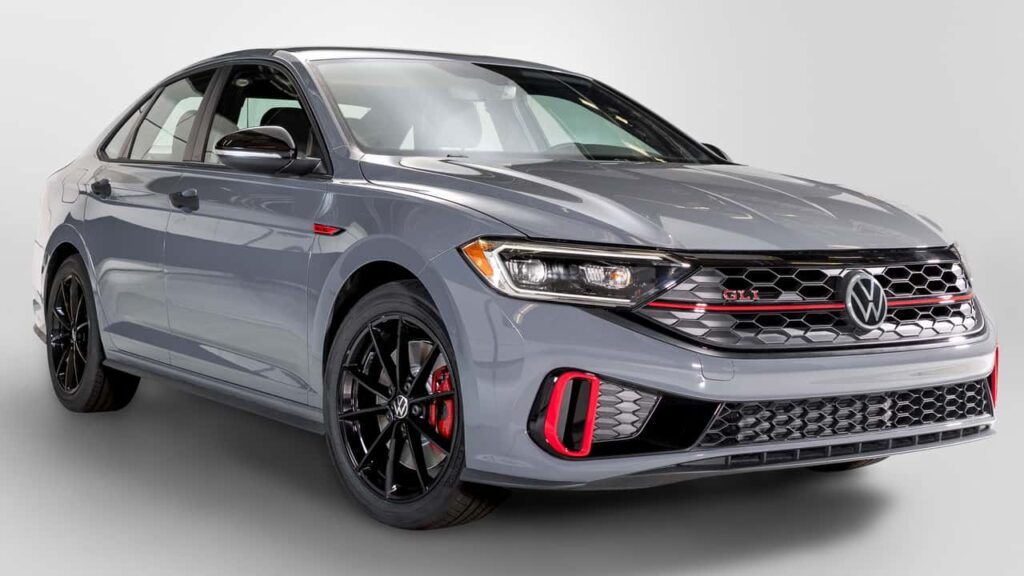
Ownership Experience and Longevity
Living with a Jetta GLI reveals the benefits of its engineering philosophy. The engine feels refined and quiet during everyday driving, yet retains a playful edge that encourages enthusiastic use. This dual personality contributes to long-term satisfaction, as owners don’t feel forced to choose between comfort and excitement.
Longevity is ultimately influenced by driving habits and maintenance discipline. Drivers who warm the engine properly, avoid aggressive behavior when cold, and adhere to service intervals tend to enjoy years of trouble-free ownership. This reinforces the idea that the GLI is engineered for enthusiasts who respect the machine.
The Emotional Side of Volkswagen Engineering
Beyond numbers and specifications, the Jetta GLI’s engine delivers an emotional experience that’s hard to quantify. There’s a sense of confidence in how the power builds, a subtle satisfaction in the way the turbo spools, and a reassuring solidity in its mechanical behavior. These qualities reflect Volkswagen’s heritage of building cars that feel thoughtfully engineered rather than merely assembled.
This emotional connection is part of what keeps the GLI relevant. It may not chase extremes, but it offers a driving experience that feels authentic and engaging, rooted in decades of refinement.
Why the Jetta GLI’s Engine Still Matters
In an era increasingly dominated by electrification and downsized powertrains, the Jetta GLI stands as a reminder of what well-executed internal combustion engineering can achieve. Its EA888 engine showcases how technology, tuning restraint, and reliability considerations can coexist without sacrificing driving pleasure.
For enthusiasts seeking a sport sedan that rewards both curiosity and care, the Jetta GLI’s engine remains a compelling reason to look under the hood. It tells a story of evolution, balance, and enduring appeal, proving that thoughtful engineering can create an experience that lasts well beyond the first test drive.