
When the Volkswagen Nivus first appeared on the streets of Latin America, it didn’t just add another option to the growing crossover market. It introduced a completely new way of thinking about what urban drivers truly needed. At a time when compact SUVs were becoming the default choice for families and young professionals, the Nivus arrived with an unexpected formula: a coupé-like silhouette fused with the practicality of a crossover, built specifically for the roads, budgets, and lifestyles of Latin American cities. Its impact has been deeper than a simple trend shift. It has subtly but powerfully reshaped expectations about comfort, technology, and style in urban mobility.
The Birth of a New Automotive Segment
Before the Nivus, Latin American consumers had become accustomed to choosing between two clear categories. On one side were hatchbacks—efficient, affordable, and ideal for dense traffic, but limited in space and visual appeal. On the other side were compact SUVs—taller, more versatile, but often more expensive and heavier than the typical city driver required. The middle ground was almost nonexistent.
Volkswagen identified a gap waiting to be filled. With urban areas growing rapidly and road congestion becoming an unavoidable part of daily life, drivers wanted something different—something with the agility of a hatchback, but the presence, practicality, and technology of an SUV. The solution wasn’t simply a redesigned version of an existing car. It required a new format entirely, one that blended efficiency with personality.
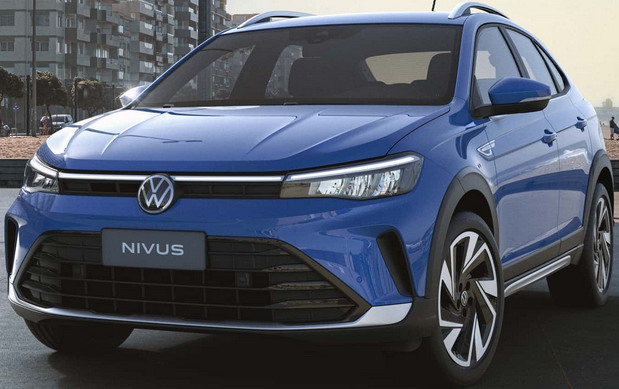
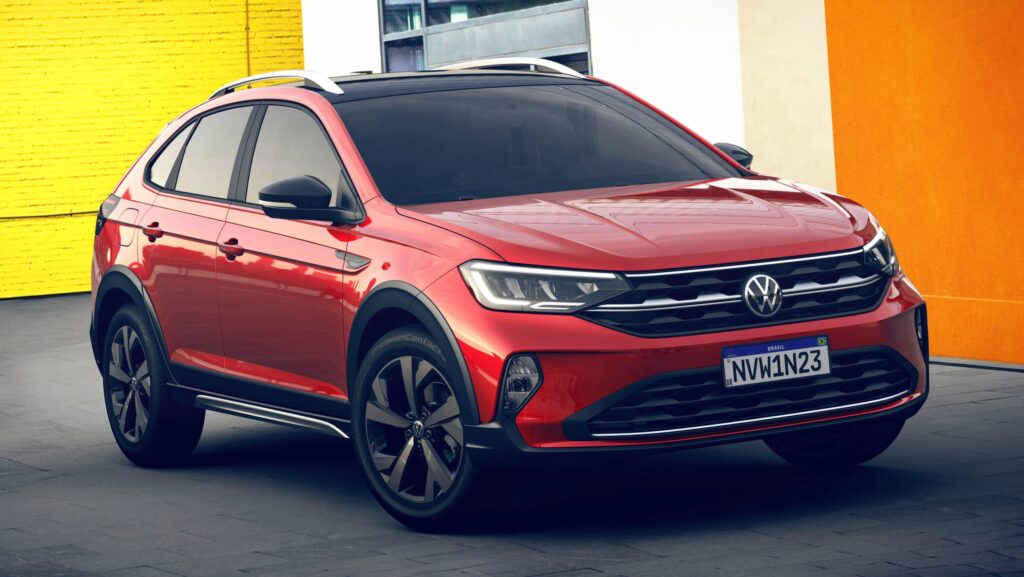
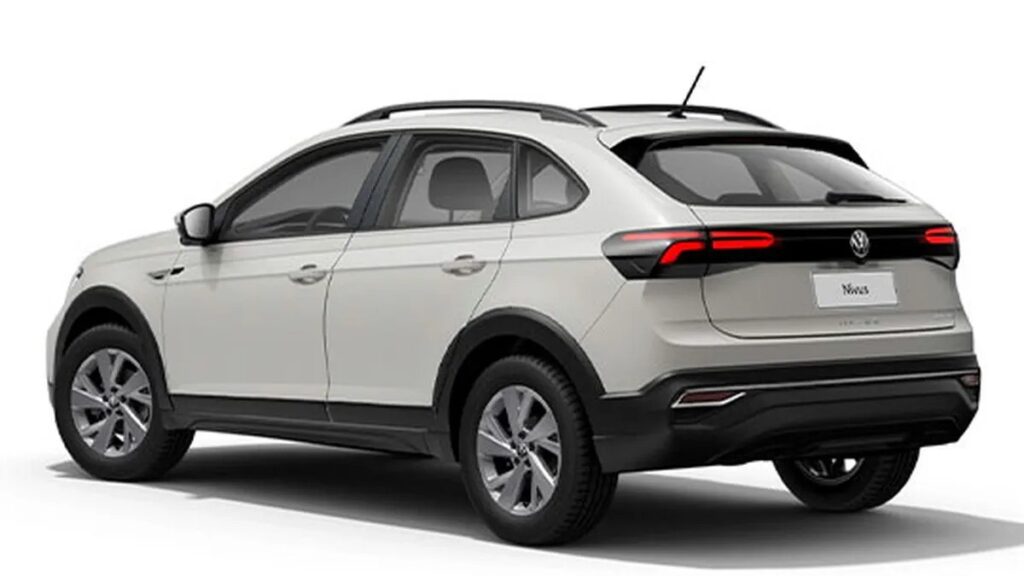
The Nivus emerged as one of the first crossover-coupés designed and engineered in Latin America. Its sloping roofline, sporty posture, and aerodynamic body broke away from the boxy SUV mold, instantly signaling that urban practicality didn’t have to be visually boring. More importantly, the Nivus offered a shape that felt modern without abandoning functionality, making it an appealing solution for drivers who wanted style without the compromises usually associated with design-driven vehicles.
A Design That Mirrors the Rhythm of Latin American Cities
Latin American cities are vibrant, fast-moving, and filled with contrasts. Traffic can shift from free-flowing to completely gridlocked within minutes. Roads vary from newly paved stretches to unpredictable surfaces. Parking space is often tight, and commutes tend to involve a mix of highways, narrow streets, and sudden obstacles. A car designed specifically for this environment must balance agility, visibility, and durability.
The Nivus does this by merging sleek aesthetics with urban practicality. Its coupé-style roofline gives it a dynamic stance, but the designers were careful not to sacrifice headroom or usability. The cargo area, surprisingly generous for a vehicle with such a sporty silhouette, quickly became one of its standout features. Families noticed they could carry groceries, strollers, and suitcases without issue. Young professionals found enough room for bikes, gym bags, or weekend getaway gear.
Its proportions are ideal for navigating tight city environments. The raised driving position offers the commanding view associated with an SUV, but the Nivus’s overall size keeps it nimble in traffic. This combination has become especially valuable in crowded cities like São Paulo, Mexico City, Buenos Aires, and Santiago, where maneuverability is as important as comfort.
The vehicle’s design reflects an understanding of contemporary Latin American style trends as well. Drivers increasingly want cars that feel like an extension of their personality—something modern, expressive, and aspirational. The Nivus meets that desire with sharp lines, bold LED lighting, and an unmistakable identity that stands out without feeling exaggerated. It became instantly recognizable, and that recognizability translated into widespread appeal.
Technology Tailored for a Connected Generation
Urban mobility today is inseparable from technology. People rely on smartphones for navigation, communication, entertainment, and productivity. The Nivus responded to this reality with an interior that confidently embraced digital experiences. Its most notable technological contribution was the introduction of VW Play, a multimedia system created in Brazil and later adopted internationally. This wasn’t simply an entertainment interface; it was designed as a customizable ecosystem where drivers could install apps, manage vehicle settings, and connect seamlessly with mobile devices.
For many buyers, VW Play became a decisive factor. Latin American drivers, especially younger ones, were increasingly demanding the same level of digital integration they enjoyed on their personal devices. The Nivus delivered this without feeling overengineered or overly complex. The interface was intuitive, the screen resolution was crisp, and the system felt tailored to local needs rather than imported from distant markets with little adaptation.
Safety technology also played a major role in redefining the Nivus’s reputation. Features such as adaptive cruise control, automatic emergency braking, and lane-keeping assistance were uncommon in its category at the time of its launch. By offering these systems in a vehicle designed for city use, Volkswagen elevated expectations for what urban mobility should include. Drivers accustomed to basic safety packages suddenly had access to advanced assistance tools typically found in higher segments, and this shift pushed competitors to respond.
Performance That Makes City Driving Smoother
The Nivus isn’t a performance car, yet its engineering makes urban driving feel more refined. The turbocharged TSI engine, known for delivering strong torque at low RPMs, aligns perfectly with stop-and-go traffic patterns. This responsiveness gives drivers confidence when merging, overtaking, or accelerating across intersections.
Fuel efficiency has also been one of its strongest attributes. In cities where gasoline prices can fluctuate dramatically, a car that balances performance with low consumption becomes invaluable. The lightweight platform, aerodynamic shape, and efficient engine combine to create a vehicle that feels lively without wasting energy. For many households, this meant the Nivus became not only a stylish choice but a financially practical one as well.
The suspension tuning strikes a careful balance between firmness and comfort. Urban roads can be unpredictable, and the Nivus absorbs imperfections without feeling disconnected or too soft. This middle ground contributes to its versatility—capable of longer trips yet perfectly suited for daily commutes through varied city terrain.
A Cultural Shift Driven by Desire for Modern Mobility
The success of the Volkswagen Nivus goes beyond sales numbers. It represents a cultural shift in how Latin Americans view mobility. The idea that a car must choose between being practical or stylish has faded. People now expect both. They want vehicles that reflect their identity but also cater to the challenges of modern city life.
The Nivus became a symbol of this new expectation. Its design resonates with individuals who appreciate aesthetics. Its technology connects with those who depend on digital tools. Its efficiency appeals to drivers mindful of cost. And its versatility meets the needs of families, young adults, and professionals alike.
What makes its impact even more profound is that it wasn’t brought from Europe or Asia to fit the region—it was created in Latin America for Latin America. This authenticity helped it resonate in a way that imported concepts often cannot. It acknowledged local needs, driving patterns, and preferences, creating a sense of ownership among buyers who saw a vehicle designed with their reality in mind.
How the Nivus Influenced the Automotive Landscape
As the Nivus gained popularity, other manufacturers began paying close attention. The concept of a compact crossover-coupé wasn’t widely explored in Latin America before its arrival. After its success, brands started adapting their strategies, introducing more urban-friendly SUVs with sportier designs, compact dimensions, and enhanced technology.
Volkswagen itself benefited from the momentum. The Nivus demonstrated that innovation doesn’t need to originate from traditional markets. Latin America became a hub for automotive creativity, and the Nivus’s engineering influenced other models in VW’s lineup. Its MQB platform efficiency, technological focus, and design language set a precedent for future developments.
The Nivus also became a global product, later exported to Europe and other regions. This achievement is rare for vehicles conceived in Latin America and highlights how its concept transcended cultural borders. What began as a regional solution evolved into an international benchmark, proving that the demands of Latin American cities are aligned with global mobility trends.
A New Definition of Urban Mobility
The arrival of the Volkswagen Nivus marks one of the most interesting shifts in recent automotive history for the region. It demonstrated that urban mobility could be reimagined through fresh design, smart technology, and a deep understanding of the modern driver. The Nivus didn’t rely on being bigger, louder, or more expensive to stand out. Instead, it leveraged innovation, efficiency, and character.
Its influence continues to shape how people view mobility today. Drivers now expect more expressive design in practical cars. They anticipate advanced technology even in accessible segments. They seek vehicles that match the rhythm of their city life rather than forcing them to compromise. In this sense, the Nivus helped redefine the spirit of urban mobility in Latin America, not through radical disruption, but through thoughtful evolution.
As cities keep expanding and mobility needs grow more complex, the Nivus stands as a testament to what happens when automotive design listens closely to the people who use it. It shows that the best innovations emerge not from guessing the future, but from understanding the present. And in that understanding, Volkswagen created a crossover-coupé that didn’t just enter the market—it changed it.