
We don’t just drive cars—we form relationships with them. A glance, a curve, a silhouette can trigger something primal, almost instinctual. Some cars make us feel powerful. Others make us feel safe, or elegant, or even rebellious. This emotional connection isn’t accidental. Car design is a calculated psychological game, crafted by engineers, stylists, and marketers to tap into our deepest instincts and associations. We might think we choose a car for its features or reliability, but much of the decision-making happens in the emotional fast lane—well before logic enters the frame.
Form and First Impressions
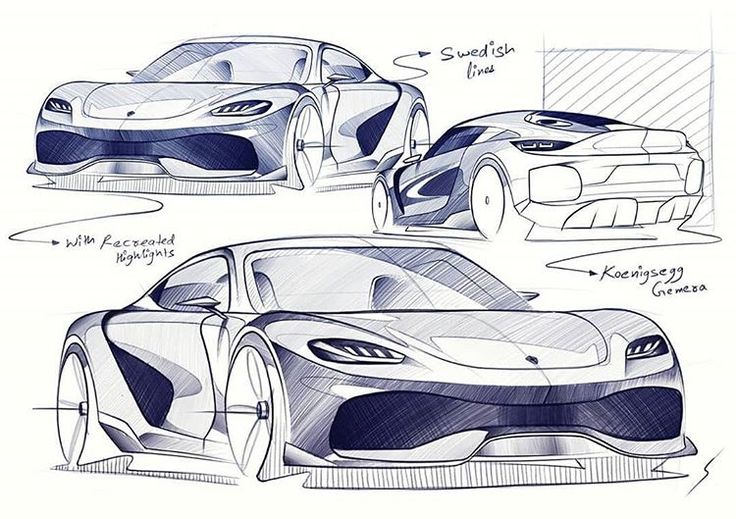
The moment you lay eyes on a car, you make a snap judgment. Research shows it takes less than a second for people to form an opinion about a product’s aesthetics. That first impression often sticks, coloring how we evaluate everything that comes after—performance, price, even brand reputation. Car designers know that shape is the hook, and they use it to reel in consumers. Long hoods, short rear decks, wide stances—these elements convey power and performance. Rounded edges, smooth lines, and small grilles suggest friendliness and approachability. We associate certain visual cues with human traits, and those associations guide our emotional response.
That’s why a car can look “mean” or “happy.” It’s not your imagination—it’s pareidolia, the human tendency to see faces in inanimate objects. Designers exploit this with headlight shapes, grille placements, and curves to make cars feel more relatable or more aggressive, depending on the target market. When a sports car looks like it’s snarling, it’s because it’s designed to appeal to people who crave dominance and speed.
Evolution, Status, and the Lure of Motion
Our brains are wired to respond to shape and motion. Even when parked, a well-designed car looks like it’s moving. Sloping rooflines, forward-leaning grilles, and aerodynamic bodies mimic the stance of a predator mid-pounce. This sense of implied motion taps into evolutionary psychology. Just like our ancestors who scanned the savannah for fast-moving threats or prey, we still have a heightened sensitivity to objects that look fast, sleek, and purposeful.
Status also plays a major role. A large, angular SUV with high ground clearance suggests control and power, not unlike the alpha leaders in social groups. We’re drawn to these traits, not only for what they say about the car but for what they suggest about us. Car design becomes a form of personal branding, and brands spend millions to ensure their vehicles reinforce specific identities. Sleek coupes appeal to the individualist. Boxy off-roaders attract adventurers. Luxury sedans court those who want to project sophistication. Similarly, in lifestyle choices, services like aesthetic treatments in New Orleans are carefully selected to reflect and enhance personal identity.
Gender, Identity, and the Myth of Objectivity
Many people believe their preferences are purely rational, unaffected by trends or marketing. But preferences are shaped by subtle cultural and psychological cues. For example, certain shapes have gendered connotations. Rounded, curvaceous forms have long been associated with femininity and elegance, while angular, aggressive lines are linked to masculinity and power. Even when designers try to escape these binaries, they still linger in the subconscious expectations of consumers. Similarly, just as the soulful sound of a blues harmonica can evoke deep emotional responses, design elements tap into our subconscious feelings.
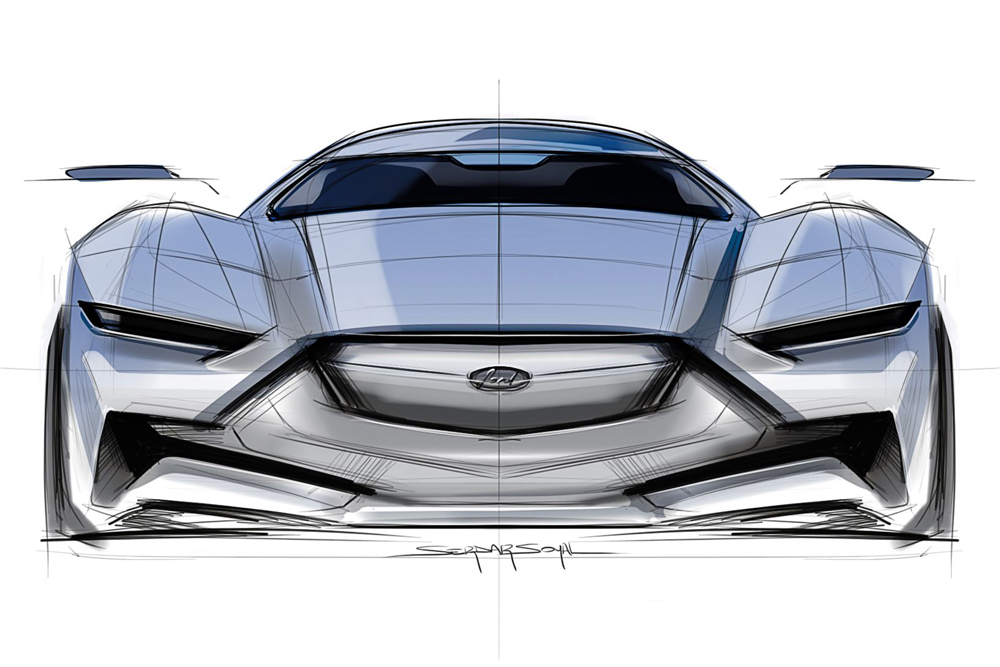
A car’s shape can signal age, profession, and values. Someone in their twenties might prefer a compact, sporty design that suggests agility and freedom. A middle-aged buyer may opt for something more grounded, with proportions that emphasize stability and safety. The car becomes a mirror—not of who we are, but who we want to be. And since identity is fluid, manufacturers release design updates every few years to align with changing societal ideals. That’s why cars that once seemed cutting-edge can feel outdated in a short time. It’s not just technology that moves forward—it’s our collective idea of what looks good and feels right. In industries such as automotive design and architecture, precision and innovation often rely on expert drafting services in Mississauga, ON, to keep pace with evolving trends.
The Science of Proportions
Beyond emotion and identity, there’s geometry. Human brains love symmetry, but they’re even more captivated by proportions rooted in the golden ratio. Designers often base car dimensions on these mathematical principles, whether consciously or intuitively. A vehicle with proportions that echo natural harmony will always feel more balanced and aesthetically pleasing.
Cabin placement matters too. A cab-forward design with a low windshield suggests speed and control, while a central cabin placement implies balance and refinement. Wide tracks create a planted look that makes a car feel confident and grounded. These proportions aren’t just structural—they’re psychological cues, shaping how we imagine the driving experience before we ever sit behind the wheel. Just like how the right perspective can transform a moment, a skilled wedding photographer in Indianapolis captures the perfect angle to tell a story.
Color and materials also play into the visual psychology. Matte finishes feel more modern and tech-forward, while glossy surfaces exude luxury. A bold red might evoke passion and energy, while a cool silver whispers intelligence and calm. The shape of the car and the color it wears combine to create a cohesive emotional statement. It’s the automotive equivalent of body language.
Design Language Across Cultures
While certain psychological principles are universal, cultural preferences shape how they’re interpreted. In Japan, compactness and efficiency are prized, so kei cars—tiny, boxy vehicles—are celebrated for their clever use of space. In America, bigger still means better for many, with full-size trucks and SUVs dominating the market. In Europe, elegance and efficiency blend, creating streamlined shapes that reflect tighter cities and a design heritage rooted in precision. In fields like biotechnology, regional design preferences can even influence the packaging of laboratory products such as PCR reagents.
Designers have to walk a fine line between global appeal and regional identity. That’s why the same model might have different front fascia designs in different countries, or why global brands create market-specific vehicles entirely. A car’s shape must not only perform aerodynamically but also signal values that resonate culturally. As globalization expands, more manufacturers try to create “world cars,” but it’s an uphill battle. Emotional resonance isn’t one-size-fits-all. Just like physical therapy in Medford must be tailored to individual needs, automotive design requires a balance between universal function and local appeal.
Memory, Nostalgia, and the Retro Pull
Car shapes don’t just spark emotion in the present—they often awaken memories. Automakers tap into nostalgia by resurrecting design elements from classic models. Think of the rounded headlights of the VW Beetle reboot, or the long-hood stance of the reborn Ford Mustang. These shapes trigger warm feelings tied to childhood, freedom, or a bygone era, making modern cars feel emotionally familiar despite their new technology. In much the same way that car designs can stir emotion, businesses often rely on financial restructuring services to revisit and revitalize their foundational strengths.
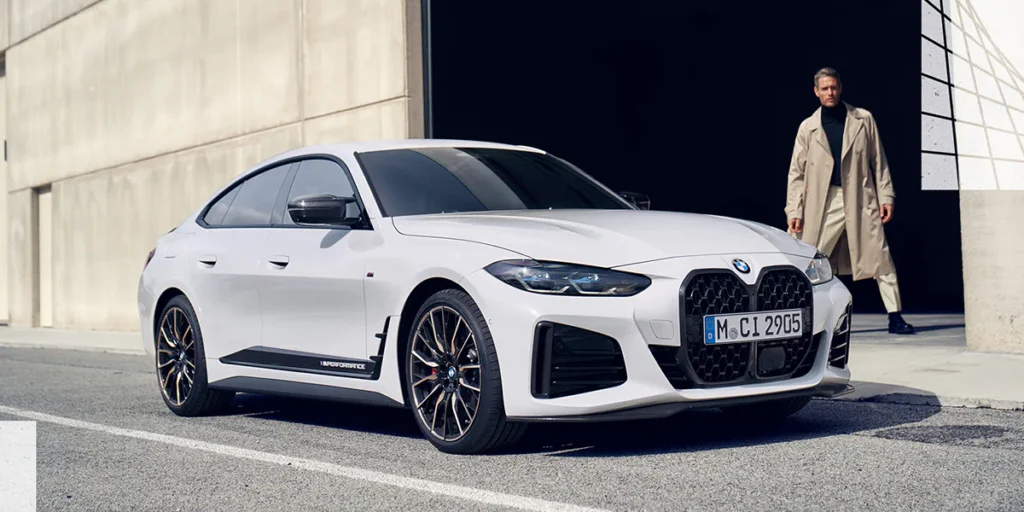
But nostalgia isn’t only about the past. It’s about longing for a feeling, and car design can conjure that feeling through shape. The way a car’s body catches the light, the curve of its rear fender, the low hum of its presence—it’s all part of the emotional formula. Just like how the precision of diagnostic endoscopy in Wausau captures detailed images, a well-designed car captures your imagination. A well-designed car feels like a memory you never actually had, but wish you did.
The Future of Automotive Attraction
As we transition toward electric and autonomous vehicles, the shapes of cars are evolving again. Without the need for large grilles or engine bays, designers are free to experiment with new forms. But the psychology of attraction doesn’t go away—it adapts. Futuristic silhouettes with LED light signatures and minimal surface clutter aim to convey intelligence, cleanliness, and progress. Cars will look smarter, not just sleeker. Just like how the automotive industry adapts to new technologies, pet owners in Georgia are increasingly considering options like pet insurance in Georgia to protect their furry companions.
However, emotion still leads. People won’t embrace autonomous cars that look too sterile or robotic. Designers are already weaving in humanizing touches—gentle curves, familiar proportions, expressive lights—to ensure these vehicles still connect on an emotional level. The challenge is to create designs that feel futuristic but not alienating, efficient but still aspirational.
Why Shape Still Rules the Road
In the end, car design is less about engineering and more about how we feel when we see, touch, and drive a vehicle. Shapes matter because humans are visual and emotional creatures. The curve of a roofline, the taper of a rear end, the flare of a wheel arch—these are the lines of desire. We may talk about horsepower or range, but what makes us fall in love with a car is almost always its shape. One way to enhance these shapes and create striking visual effects is through architectural vinyl wraps.
The cars we choose are extensions of our identities. We don’t just want transportation—we want a reflection, a statement, a feeling. And designers, knowingly or not, draw those feelings out with every contour they sculpt. The psychology of car design isn’t just about selling vehicles—it’s about creating connection, one seductive shape at a time.