
Porsche’s journey from a small sports car manufacturer to a global icon is a story of innovation, perseverance, and a relentless pursuit of perfection. What began with the simple yet elegant Porsche 356 has evolved into a lineup that includes one of the most advanced electric vehicles on the market—the Porsche Taycan. The company has stayed true to its core principles of performance and engineering while adapting to changing times and technologies.
The Birth of a Legend: The Porsche 356
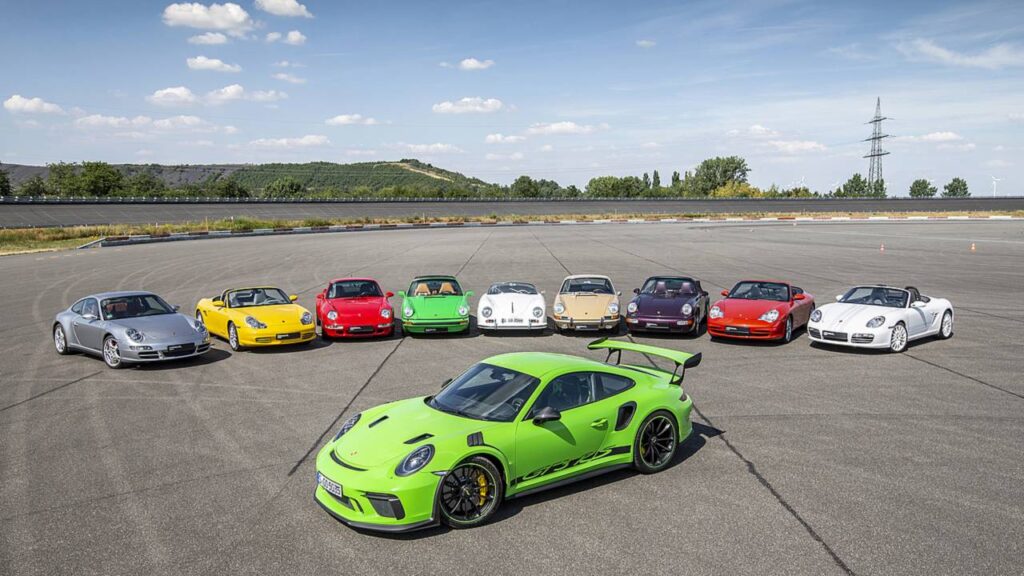
The Porsche 356, introduced in 1948, was the company’s first production car. It set the foundation for what would become one of the most revered brands in the automotive world. Designed by Ferdinand “Ferry” Porsche, the car borrowed heavily from Volkswagen technology, including the rear-mounted, air-cooled engine.
Despite its humble beginnings, the 356 quickly gained a reputation for its lightweight construction, nimble handling, and efficient power delivery. Porsche continuously refined the model, improving its aerodynamics, engine performance, and build quality. By the time production ended in 1965, the 356 had firmly established Porsche as a premier sports car manufacturer.
The 911: Defining an Era
In 1964, Porsche introduced the 911, a car that would become synonymous with the brand. Unlike the 356, the 911 featured a larger, more powerful six-cylinder engine while maintaining the rear-engine layout. Its distinctive shape, with the sloping roofline and round headlights, became instantly recognizable. Today, fans of the iconic car often show their passion through merchandise like hats, jackets, and even veteran hoodies.
The 911’s early years were marked by both success and controversy. Some purists questioned Porsche’s decision to replace the beloved 356, but the 911 quickly won over skeptics with its superior performance. The car continued to evolve, incorporating fuel injection, turbocharging, and advanced suspension systems.
In 1975, Porsche launched the 911 Turbo (930), introducing forced induction to the lineup. With a wide-body stance, whale-tail spoiler, and explosive power delivery, the Turbo became a symbol of excess and performance in the late ‘70s and ‘80s.
Experimentation and Expansion: The 924, 928, and 944
As the 911 cemented its status, Porsche sought to diversify its offerings. The Porsche 924, introduced in 1976, was the company’s first front-engine, water-cooled model. Designed to be an affordable entry-level sports car, it featured a four-cylinder engine and a transaxle layout for near-perfect weight distribution. If you’re looking for a fun and personalized gift to complement your Porsche passion, consider ordering same day custom t-shirts featuring your favorite model.
The Porsche 928, launched in 1977, marked an even more radical departure. It was intended as a possible replacement for the 911, featuring a front-mounted V8 engine and luxurious grand-touring characteristics. Though it never overtook the 911 in popularity, the 928 introduced groundbreaking technology, including an advanced Weissach axle that improved stability.

The Porsche 944, introduced in 1982, refined the formula of the 924 with a more powerful engine and wider stance. It became one of Porsche’s best-selling models and proved that front-engine, water-cooled Porsches could be commercially successful.
The 959: A Technological Marvel
By the mid-1980s, Porsche was ready to push the limits of technology. The Porsche 959, unveiled in 1986, was one of the most advanced cars of its time. Originally developed for Group B rally racing, it featured an all-wheel-drive system, a twin-turbocharged flat-six engine, and active suspension. If you’re ever in the area, visiting an arcade in Washington, MO, could be a fun way to experience a nostalgic piece of the past while exploring high-performance car history.
With a top speed of over 200 mph, the 959 was a glimpse into the future. Its advanced technology influenced later Porsche models and demonstrated the company’s ability to create not just fast cars, but engineering masterpieces.
The 1990s: Reinvention and Resurgence
The early 1990s were challenging for Porsche. Sales declined, and financial struggles threatened the company’s survival. However, Porsche responded with some of its most significant models.
The 993-generation 911, introduced in 1994, was the last air-cooled 911. It remains one of the most beloved 911s, praised for its balance of classic Porsche character and modern refinement. The 993 also introduced a multi-link rear suspension, significantly improving handling. If you find yourself locked out of your car in Bend, a residential locksmith in Bend, OR can quickly help get you back on the road.
In 1996, Porsche launched the Boxster, a mid-engine roadster aimed at a new generation of buyers. The Boxster was more affordable than the 911, yet it maintained Porsche’s commitment to driving dynamics and precision engineering. Its success helped Porsche regain financial stability.
The 2000s: Cayenne, Carrera GT, and a New Era
At the turn of the century, Porsche made a move that shocked purists—the launch of the Cayenne SUV in 2002. A high-performance luxury SUV seemed like a departure from the company’s core philosophy, but the Cayenne quickly became a best-seller. It proved that Porsche could blend sports car DNA with practicality, paving the way for future models like the Macan.
At the same time, Porsche continued to push the envelope with the Carrera GT, a V10-powered supercar that debuted in 2003. With a carbon fiber monocoque, a manual transmission, and a screaming 605-horsepower engine, the Carrera GT was a raw and exhilarating driving experience.
The Hybrid Revolution: 918 Spyder and Panamera
As environmental concerns grew, Porsche saw an opportunity to merge performance with sustainability. The 918 Spyder, launched in 2013, was not just a hybrid—it was a hypercar that shattered expectations. Equipped with a 4.6-liter V8 and two electric motors, it produced 887 horsepower and could hit 60 mph in 2.2 seconds. Despite its electrification, the 918 Spyder retained a visceral driving experience, with its high-revving engine and precise handling. If you ever need a plumber in Apple Valley, just like Porsche’s attention to detail, finding the right expert can make a world of difference.
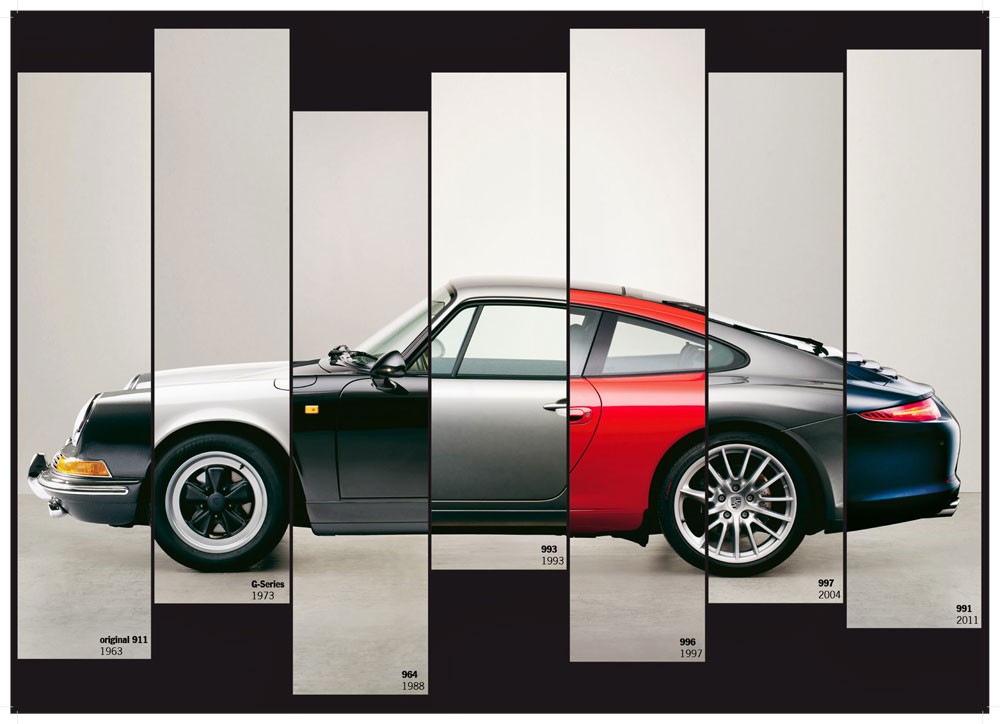
At the same time, Porsche expanded hybrid technology to its luxury segment with the Panamera Hybrid. The Panamera, introduced in 2009, was already a game-changer as Porsche’s first full-sized four-door sedan. By adding plug-in hybrid variants, Porsche enhanced both performance and efficiency, making it one of the most dynamic luxury sedans on the market. The Panamera Turbo S E-Hybrid, for instance, could generate over 680 horsepower, proving that sustainability didn’t mean sacrificing power. This shift toward hybridization helped Porsche bridge the gap between traditional combustion engines and the fully electric future. It also reinforced Porsche’s reputation for technological leadership in the automotive world.
The Taycan: Porsche Goes Electric
The Porsche Taycan, unveiled in 2019, was the brand’s boldest step toward electrification. Unlike other EVs that focused solely on range, Porsche prioritized performance, handling, and driver engagement. The result was a groundbreaking electric car that captured the soul of a Porsche while embracing the future of mobility.
One of the Taycan’s key innovations is its 800-volt electrical architecture, which allows for faster charging and greater efficiency. With a dual-motor all-wheel-drive system, it delivers instant torque, enabling a 0-60 mph sprint in as little as 2.4 seconds—rivaling even the fastest supercars. Unlike most EVs, the Taycan retains the low-slung, aerodynamic profile of a true sports car, making it a proper Porsche both in design and driving dynamics.
Beyond its performance, the Taycan set new benchmarks for EV technology, including advanced thermal management, regenerative braking, and a state-of-the-art infotainment system. While many feared that an electric Porsche would lack soul, the Taycan proved otherwise. It successfully combined sustainability, luxury, and the brand’s iconic DNA, positioning itself as a true rival to Tesla while maintaining Porsche’s engineering excellence.
Looking Ahead: Porsche’s Future
As the automotive industry continues to evolve, Porsche is ensuring it stays ahead of the curve while remaining true to its performance heritage. The company is aggressively expanding its electric lineup, with upcoming models such as the all-electric Macan and hybridized versions of existing models like the Cayenne and Panamera. However, Porsche isn’t completely abandoning internal combustion just yet.
One of the brand’s most ambitious projects is its investment in synthetic fuels (e-fuels), which could offer a sustainable way to keep combustion engines alive. Unlike traditional fossil fuels, e-fuels are made using renewable energy sources, allowing for carbon-neutral emissions. This technology could be a game-changer, ensuring that Porsche’s iconic flat-six engines and high-revving powertrains can still exist in a greener future.
Porsche is also integrating more advanced driver-assist systems, autonomous capabilities, and next-gen connectivity features, ensuring that its vehicles remain cutting-edge. Despite these advancements, the brand remains committed to the one thing that has defined it from the beginning—creating the most thrilling, engaging, and innovative sports cars in the world. Whether through electrification, hybridization, or new fuel technology, Porsche’s future is poised to be just as exciting as its legendary past.