
The story of the Jaguar E-Type begins not on the streets of London or the highways of California, but on the racetracks of Europe. Before the E-Type stunned the world with its jaw-dropping looks and cutting-edge performance, Jaguar had already built a name for itself through motorsport dominance. The 1950s saw Jaguar conquering Le Mans with the C-Type and D-Type, race-bred machines that pushed the limits of engineering and speed. These victories weren’t just for trophies; they were laboratories on wheels. Every lap at Le Mans fed data back into Jaguar’s engineering team, laying the foundation for what would eventually become the E-Type.
The D-Type, in particular, served as a direct spiritual ancestor. Its monocoque construction, disc brakes, and aerodynamic bodywork were revolutionary for their time. When Jaguar transitioned from racing to road production in the 1960s, they didn’t leave these innovations on the track. Instead, they refined them and wrapped them in one of the most iconic silhouettes ever to grace the road. That fusion—of track-bred performance with street-legal sophistication—became the DNA of the Jaguar E-Type.
Aerodynamics Meets Art
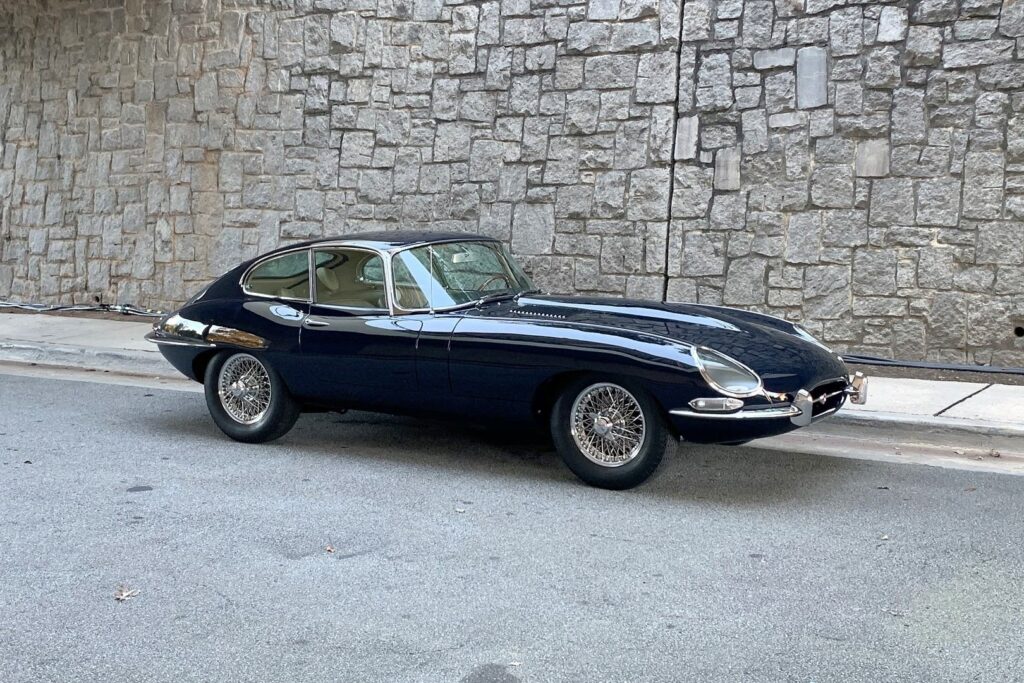
The E-Type wasn’t just built for speed; it was shaped by it. Jaguar aerodynamicist Malcolm Sayer applied his experience in aircraft design and racing aerodynamics to create a car that sliced through the air as efficiently as possible. The result was a long, sleek bonnet, a low stance, and curves that seemed to be drawn by the wind itself. But the E-Type’s form wasn’t merely a product of aesthetic intention—it was a response to physics and performance.
Aerodynamics dictated the proportions. The elongated hood wasn’t just a stylistic flex—it housed a powerful inline-six engine while helping distribute weight more effectively. The low roofline and tapering rear improved airflow, reducing drag at high speeds. Even the recessed headlights and covered underbody were practical decisions disguised as beauty. What made the E-Type a masterpiece was how Jaguar managed to blend form and function without compromise. Every design element served a purpose, and yet the result was undeniably gorgeous.
Performance that Punched Above Its Class
When the Jaguar E-Type was unveiled in 1961 at the Geneva Motor Show, it didn’t just turn heads—it snapped necks. The car could reach a top speed of 150 mph, an astonishing feat for the time, especially considering its price tag. This wasn’t a supercar for the elite. Jaguar intended the E-Type to bring performance to the people—at least, those who could afford it without being aristocracy. In addition to automotive innovation, Jaguar also expanded its reach through franchising services, allowing more enthusiasts to experience their vehicles worldwide.
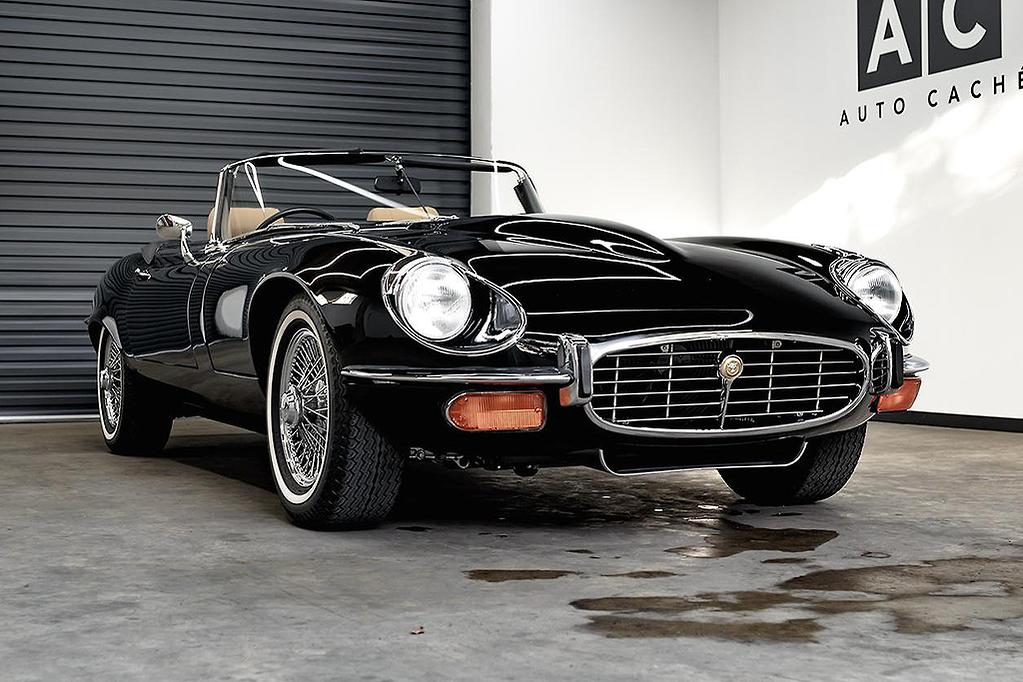
Under the hood, the E-Type packed a 3.8-liter inline-six engine derived from Jaguar’s proven racing powertrains. This was later upgraded to a 4.2-liter version, and eventually, a powerful V12 was introduced. But the car was more than just horsepower. It featured independent rear suspension, another technology borrowed from Jaguar’s racing department. This allowed for superior handling and comfort, giving the E-Type a driving experience that felt sharp yet smooth, aggressive yet refined. Just like the precision required for maintaining such classic cars, expert bus repair in North Hollywood ensures large vehicles run smoothly and reliably.
What really sealed its reputation was how it embarrassed cars that cost twice as much. Ferraris and Aston Martins were often quicker in a straight line, but on real roads—twisty, unpredictable, and sometimes unforgiving—the E-Type held its own with grace and grit. The DNA of endurance racing was embedded in every component, and it showed every time the car was pushed to its limits.
A Street Car with a Racer’s Soul
Driving a Jaguar E-Type wasn’t just an exercise in getting from point A to point B—it was an event. The steering was precise, the throttle was responsive, and the suspension soaked up bumps while keeping the tires connected to the asphalt. These weren’t accidents of design. Jaguar’s engineers knew what racing demanded, and they understood what the road required. The E-Type was their answer to both. Similarly, attention to detail and performance is essential in projects like kitchen remodeling in San Mateo.
Even the cockpit felt like a carryover from the track. The deep bucket seats, toggle switches, and driver-focused layout evoked the feeling of being in a race car. You weren’t just sitting in the E-Type—you were strapping in. And every time you hit the ignition and heard that engine come to life, you were reminded that this wasn’t just a car. It was a machine born from the crucible of motorsport, repurposed for the public road.
The feedback from the car was immediate. You felt the road through the wheel, through the seat, through your spine. It demanded your attention, your respect. The E-Type didn’t insulate you from the experience—it immersed you in it. And for drivers who craved that connection, it offered something few cars of its time could: authenticity. It wasn’t pretending to be fast or glamorous. It simply was. Just like how precise tools such as dental charting software provide clear, detailed feedback in their own field, the E-Type delivers an unfiltered driving experience that feels genuine and direct.
Cultural Impact and Enduring Legacy
The Jaguar E-Type didn’t just dominate magazine covers—it became a cultural icon. Enzo Ferrari reportedly called it “the most beautiful car ever made.” Steve McQueen drove one. Brigitte Bardot was photographed next to one. George Harrison owned one. It wasn’t just a performance marvel; it was a symbol of status, style, and rebellion. The E-Type stood at the intersection of automotive excellence and pop culture, and that unique position helped cement its place in history.
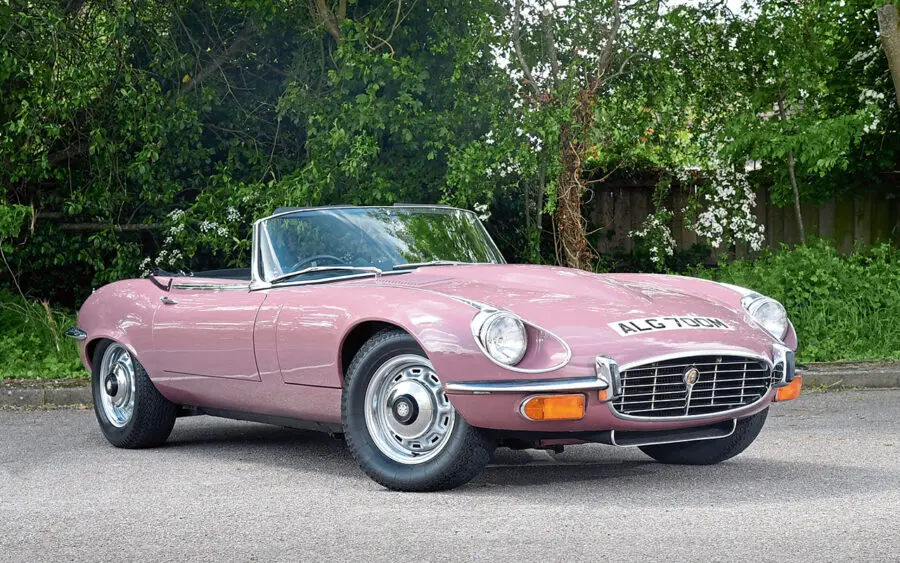
Its influence didn’t stop when production ended. The E-Type inspired generations of car designers and engineers. Modern Jaguars still carry design cues from the original—long hoods, short rears, and a focus on driver engagement. In a market flooded with digital interfaces and synthetic sensations, the E-Type remains a benchmark for analog purity. This timeless appeal is often highlighted in electronics PR when comparing modern tech with classic automotive design.
Collectors don’t just pursue E-Types for nostalgia. They chase them for the raw, visceral experience that modern cars often lack. Owning one isn’t just about prestige—it’s about preserving a tangible link to an era when driving meant something more. The E-Type’s legacy lives on not in a museum, but in the hearts of those who still take it out and drive it hard.
Conclusion: More Than a Classic
The Jaguar E-Type is more than just a classic car. It’s a rolling tribute to an era when racing mattered not just on Sundays, but every day. It is a direct descendant of machines that endured grueling hours on the track, refined for the public road without being diluted. It captured the imagination of a generation, not because it was flashy, but because it delivered performance, beauty, and soul in equal measure. Just like the perfect therapeutic massage in Las Vegas rejuvenates the body and mind, the Jaguar E-Type refreshes the spirit of classic automotive excellence.
Its racing DNA is not a myth or a marketing tagline—it’s a lived reality, baked into every inch of its engineering and design. The E-Type didn’t borrow from racing. It was born from it. And that’s what continues to set it apart, even decades after the last one rolled off the production line.
To call it a classic almost undersells it. The E-Type is a reference point, a car against which others are still measured. Its story isn’t frozen in time—it evolves every time someone fires up the engine and hits the road. As long as there are drivers who crave feeling over filters, the E-Type will never truly grow old. Much like the timeless appeal of wood burning sauna heaters, which blend tradition with experience, the E-Type captures a similar enduring spirit.